Current Location:
Stripping Die
Alloy Drawing Die
Nano Drawing Die
Custom Tungsten Carbide Parts
Diamond Drawing Die
Diamond Micro Wire Drawing Die
Extrusion Die
Extrusion Die
Product Details
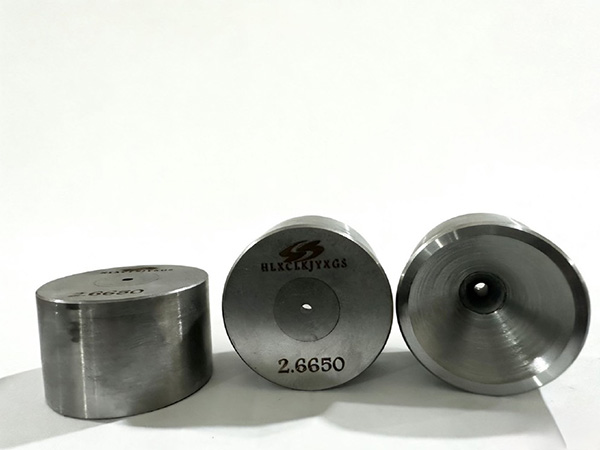
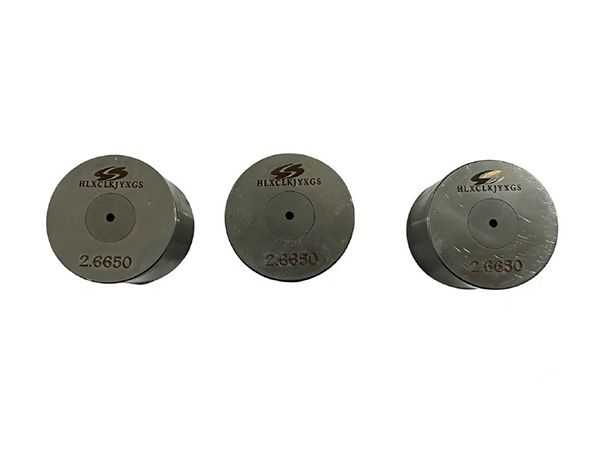
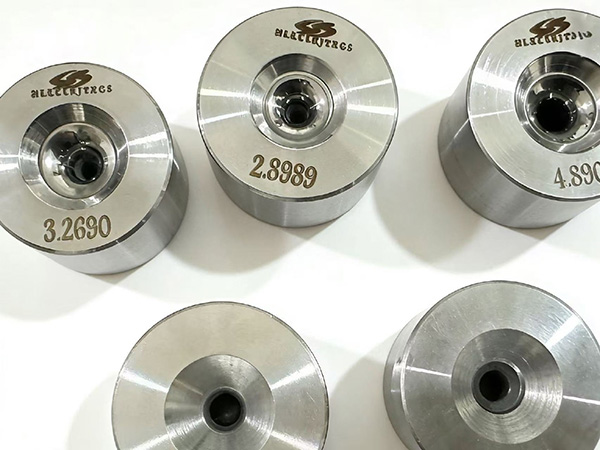
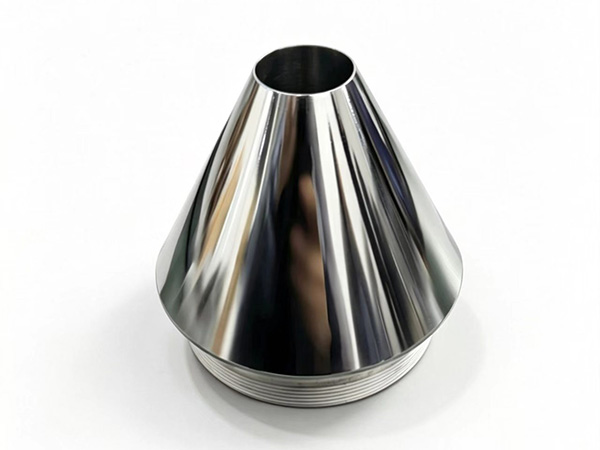
An Extrusion Die is a precision-engineered tool used in the extrusion process to shape semi-solid or molten materials—such as aluminum, copper, plastics, rubber, or food—into a continuous profile with a fixed cross-sectional shape. It is a critical component mounted at the exit of an extruder or press.
The working principle involves forcing the material through a specially designed orifice or opening in the die. As the high-pressure material passes through, it takes the exact shape of that opening. Common cross-sections include solid profiles (bars, rods, angles), hollow profiles (tubes, square pipes), and complex custom shapes (T-slots, heat sinks, window frames).
There are several types of extrusion dies, including solid dies for simple shapes, semi-hollow and hollow dies (often with a mandrel or bridge design) for tubes and complex hollow sections, as well as adjustable or multi-hole dies for increased production efficiency.
Key design features of a high-quality extrusion die include:
Die bearing (land): The parallel section that determines final size and surface finish.
Feed angles and pockets: Lead-in geometries that control material flow and reduce pressure.
Strength and wear resistance: Made from tool steels (e.g., H13, D2) or carbide, often heat-treated or coated for longevity in high-temperature, high-friction environments.
Flow balancing: Die design must ensure uniform material velocity across the entire profile to prevent warping or twisting.
Extrusion dies are widely used in industries such as construction (window and door frames), automotive (trim, chassis components), aerospace (structural shapes), electronics (heat sinks), and consumer goods (plastic tubing, rubber seals).
Advantages include high production speed, excellent surface quality, tight dimensional tolerances, and the ability to create extremely long lengths or coils of uniform profile. Regular maintenance—such as cleaning, polishing, and nitriding—is essential to maximize die life, which typically ranges from tens of thousands to over a million linear meters, depending on material and design complexity.
In modern manufacturing, simulation software (finite element analysis) is often used to optimize die geometry before physical production, reducing trial runs and material waste.
Related Products